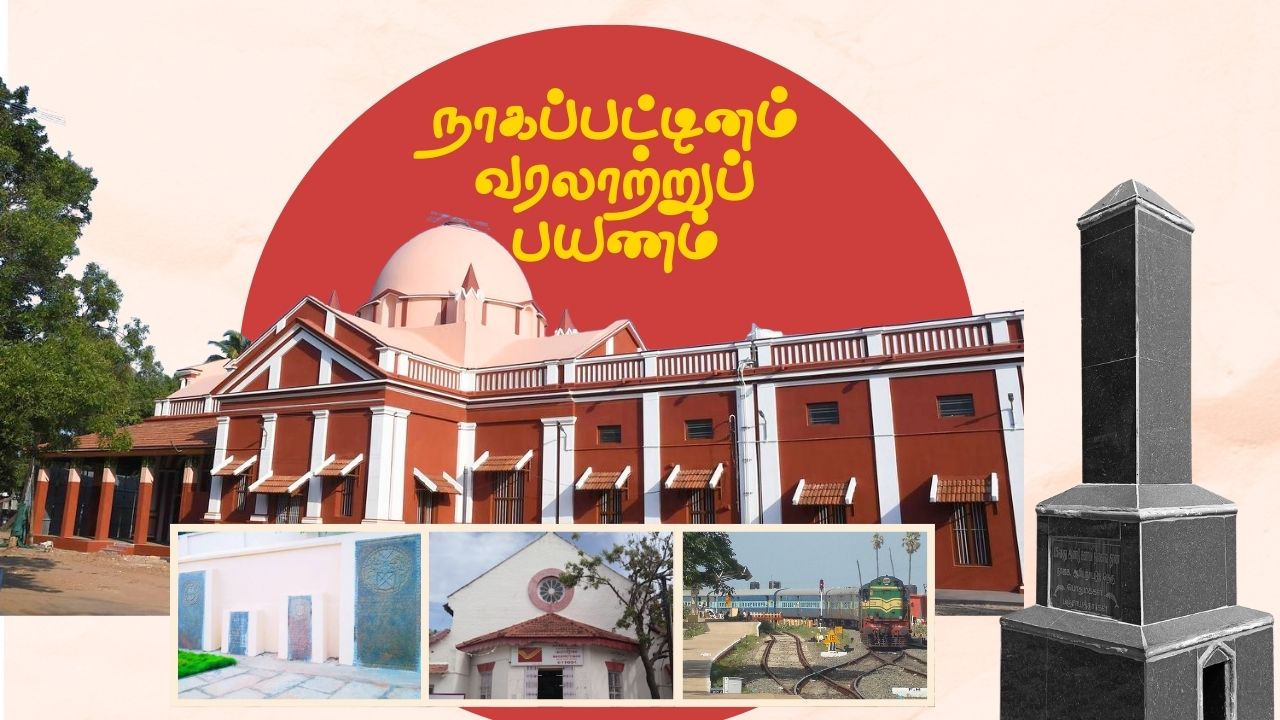
Historic Nagapattinam
Heritage Sites of Nagapattinam
A coastal land shaped by Cholas, maritime trade, colonial powers, spiritual traditions and freedom movements. Discover the timeless heritage that defines Nagapattinam.
A coastal land shaped by Cholas, maritime trade, colonial powers, spiritual traditions and freedom movements. Discover the timeless heritage that defines Nagapattinam.
For centuries, Nagapattinam has stood as a gateway of faith, trade and culture. From ancient Chola temples and Buddhist connections to colonial landmarks and freedom movement memorials, the town preserves layers of history in every street.
These heritage sites are not relics of the past — they continue to shape the cultural identity, spiritual life and collective memory of the region.
Begin Exploring Heritage Sites →
There is an old temple 200 meters to the east of this temple. The locals say that the temple is about 1000 years old. An inscription was found from that temple in 1888 for renovation. The temple, which was completely destroyed, was taken down and renovated at its present location. This new temple was built in 1935.
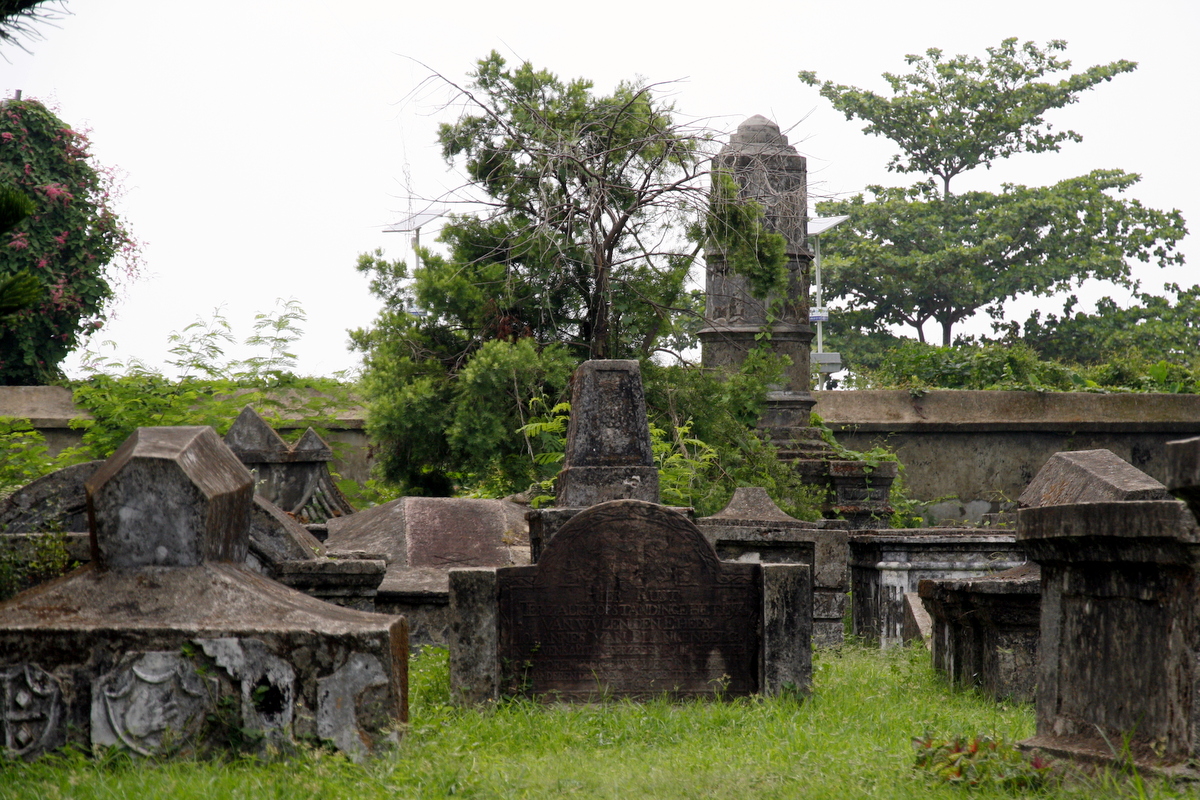
The Old Dutch Cemetery is a powerful reminder of Nagapattinam’s role as the Dutch East India Company’s Coromandel headquarters. After capturing the Portuguese fort in 1658, the Dutch established this burial ground around 1665.
The oldest known grave belongs to Cornelis Claesen (1667). Over time, floods and coastal changes led to the relocation of some graves. Today, stone slabs embedded in former British salt-factory walls and a large tomb remain.
The site is officially recorded as SC-IND-014 and was restored by the Tamil Nadu Archaeology Department in 2020.
Ramar Patham is a revered religious heritage site located at Kodiyakarai (Point Calimere) in Nagapattinam district. It is situated on a low headland along the Coromandel Coast of Tamil Nadu.
The site is traditionally believed to contain the sacred stone footprints of Lord Rama and is located at the highest point within the Kodiyakarai sanctuary area. The shrine continues to be visited by local devotees and remains in active religious use.
Period: 11th Century
Location: Kodiakarai, Nagapattinam
Category: Religious Heritage
Status: In Use
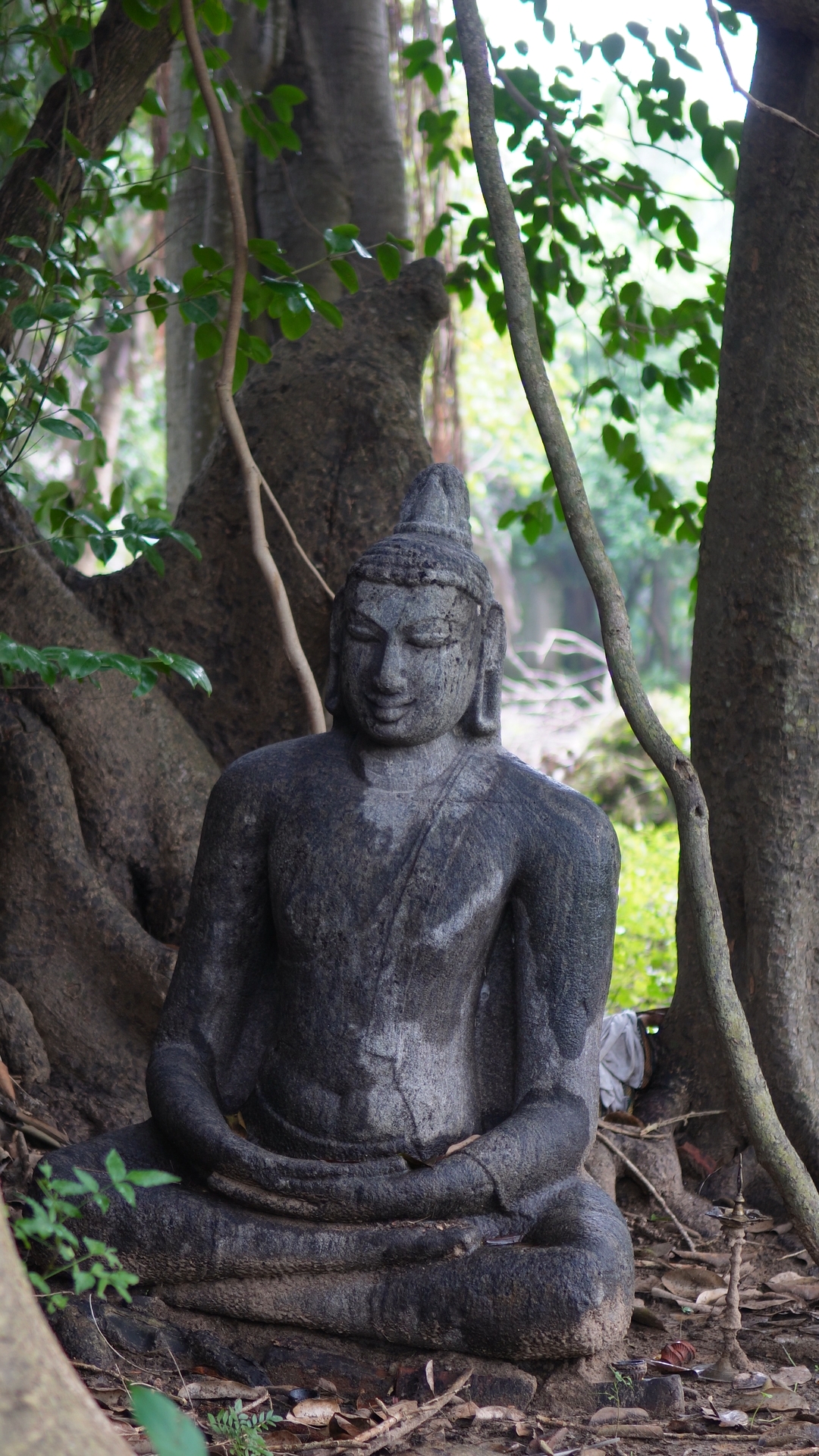
Located at Pushpavanam village, this seated granite Buddha is placed beneath a banyan tree in a natural rural setting. The sculpture represents a meditative ideal rather than a royal or cultic image.
The slender columnar torso, simple pedestal, and restrained modelling suggest a medieval South Indian Buddhist tradition with possible Sri Lankan influences.
Period: 10th–13th Century CE
Category: Buddhist Heritage
Naval power, temples, trade with Southeast Asia
Links with Sri Lanka & East Asia
Dutch & British forts, ports and cemeteries
Salt Satyagraha & national resistance